
900 deaths in 25 yrs and more than 200 human kills by maneaters in Uttarakhand creates panic in the interior villages of the Himalayan state
Uttarakhand’s Rising Wildlife-Human Conflict Puts Villages on Edge Amid Char Dham Season

Dehradun, 27 June 2026

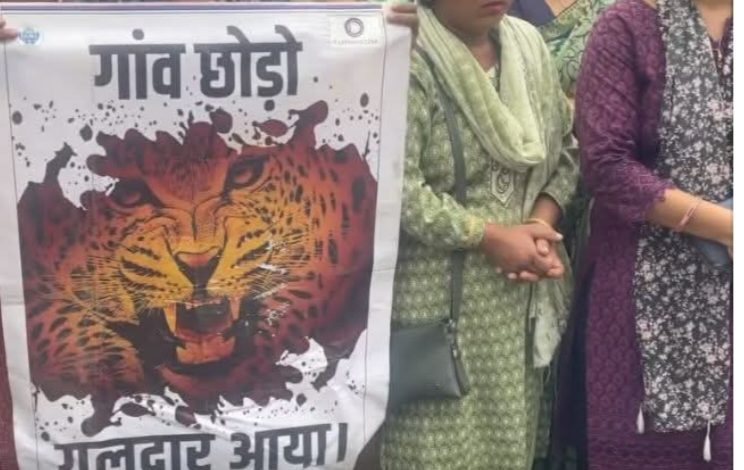
Uttarakhand is witnessing an alarming rise in fatal leopard, tiger and bear attacks as the Char Dham Yatra season strains the state’s resources, leaving villages across the hills in panic and forcing residents to take to the streets demanding safety. From remote hamlets in Pauri, Chamoli and Almora to small townships on the fringe of forests, people say leopards are now being spotted on village roads, near schools and even at market edges almost every week, turning routine tasks like collecting fodder or walking children to school into life-threatening risks.
Government figures quoted in public debate show that more than 900 people have died in wildlife attacks in Uttarakhand over the last 25 years, with over 200 deaths recorded in the last nine years alone, most of them attributed to leopards and tigers and a smaller number to bears. The victims include women, children, the elderly and young workers who have little choice but to enter forest margins for livelihood. Families say the state’s revised compensation of ₹10 lakh for each fatality offers little relief when a household loses its only earning member, and they are asking for prevention, not just payments after a death.
Villagers in areas such as Nainidanda, Pokhri and Tharali have blocked roads and held panchayat meetings in recent weeks, seeking immediate deployment of cages, camera traps and rapid response teams, along with 24-hour patrolling in the worst-affected beats. Many residents allege that the Forest and Wildlife Department has been slow to act, describing its response as reactive and inadequate in the face of what they call a “forest emergency”. Local representatives also point to habitat loss as a key driver, citing unchecked tree felling, road widening, tunnel digging for hydro and highway projects, frequent summer forest fires, and the massive movement of traffic and pilgrims during the Yatra as factors that have degraded core forests, reduced natural prey and pushed predators toward human settlements.
There have been several cases of residents of several villages leaving their ancestral homes forever in view of the incessant predators’ attacks and subsequent threats to their lives.
The remaining families of a village in a Kolagarh patti near Sanglakoti in Chaubdkot block adjacent to Sikh Negi Halun Gaon have left their village seeking shelter elsewhere when the forest and would life department failed to protect them from these maneaters.
Officials say cages and strike teams have been increased this season and that shooters are engaged only when an animal is officially declared a man-eater, with trackers like Joy Hukil having been called in the past to eliminate confirmed cases. The department has also reiterated safety advisories urging people not to travel alone at dawn or dusk and to report sightings immediately.
Political criticism has intensified, with opposition voices contrasting the rapid expansion of excise outlets in rural markets with what they describe as delayed action on wildlife safety.
The government maintains that revenue measures and wildlife management are being pursued in parallel and that compensation norms were recently enhanced.
With the monsoon approaching, when leopard movement typically intensifies, residents say the immediate priority is more cages, solar fencing around vulnerable hamlets and schools, safe fodder collection zones, and a responsive emergency helpline. Longer term, they are demanding habitat restoration, stricter regulation of projects in wildlife corridors and better prey management inside forests.
The Forest Department has announced a high-level review and promised additional deployment in the most affected blocks, but for villages living on the edge of the forest, the question remains how long they can endure before a comprehensive plan translates into fewer lives lost.


Coming soon

After terror threat EMail Delhi and Uttarakhand on high alert mode