SC takes a very strong view of the excesive use of force against agitating students taking serious exceptions of pellet firing and use of force

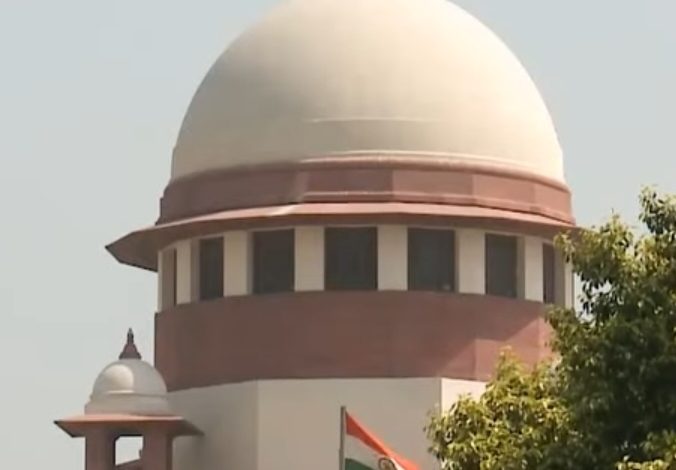
The Supreme Court has taken a strong stand against the use of excessive force on student protesters, especially in the recent “Cockroach Janata Party” led protests over NEET paper leaks and exam irregularities during the hearings on July 27-28, 2026.
Chief Justice of India Surya Kant said that the right to peaceful protest is absolutely guaranteed and that cannot be denied. He observed that merely because there is agitation it cannot justify police excess, and that so long as it is a peaceful agitation, there cannot be a lathi charge just because there is agitation.
A 3-judge bench comprising CJI Surya Kant, Justice Joymalya Bagchi and Justice V Mohana directed that no coercive action be taken against persons who participated in the protests except those with criminal antecedents.
The bench also ordered the immediate release of all detained minors below 18 years and said that police should not disclose or publish the personal or digital data of protesters.
The Court took note of serious allegations of brutal force, including the use of pellet guns, rubber bullets, electric batons, tear gas and lathis embedded with nails. It recorded claims that a 19-year-old boy allegedly lost eyesight due to pellets, a young woman was admitted to ICU, a media professional was assaulted, and that police personnel in civilian clothes had committed violence. There were also allegations of the use of AK-47 rifles in Bihar’s Siwan.
Observing that allegations of excessive use of force at first glance warranted an impartial inquiry, the Court said there has to be a completely independent probe and whoever has committed excess, law will take its course. It issued notice to the Chief Secretaries of Delhi, Maharashtra, Bihar, Kerala, Madhya Pradesh and Uttar Pradesh seeking responses. The Court also directed the preservation of all evidence related to the protests, including CCTV footage, drone recordings, body-camera footage, PCR calls and wireless communications.
CJI Surya Kant further said there should be a uniform protocol for handling protests across India and that there should be proper space with no restriction, though anti-social elements can be dealt with separately. The Court also stressed that the life of every individual, irrespective of who they are, is important, referring to injured police personnel as well.
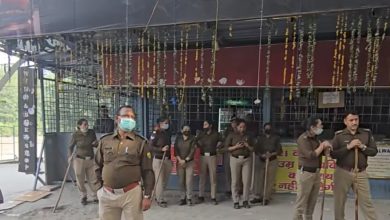
The petitions relate to the July 20 “Sansad Chalo” march to Parliament by students protesting NEET paper leaks, during which Delhi Police had used lathis and tear gas to disperse crowds near Jantar Mantar. Solicitor General Tushar Mehta told the Court that he is with the students and does not think they perpetrated a crime, adding that if they have suffered, the perpetrators must be brought to book.
The matter is listed for further hearing next week to decide on the composition of an independent probe committee.
Conclusively the Supreme Court has upheld the constitutional right to peaceful protest, barred coercive action against students without criminal records, and signaled that police excesses during agitations will face an independent inquiry.