
Uttarakhand’s drinking water turns hazardous, excess iron found in most districts: UPCB report

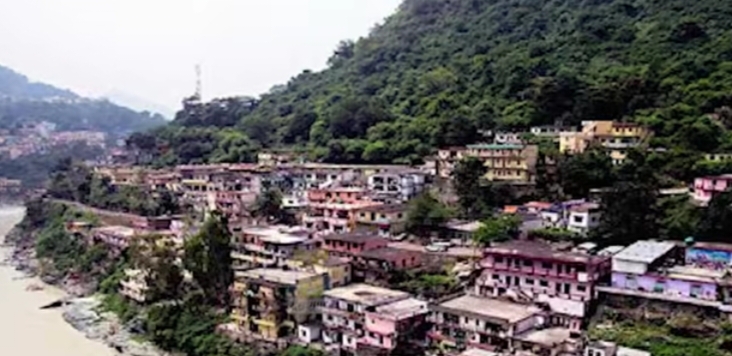

DEHRADUN: The drinking water of Uttarakhand, once celebrated as among the healthiest in the country for its natural minerals, has now been flagged as unfit for regular consumption in most parts of the state, according to a fresh report by the Uttarakhand Pollution Control Board.
After conducting chemical and physical tests on 32 different parameters, the UPCB has found that the water in the majority of Uttarakhand’s districts contains an excessive amount of iron and other minerals like magnesium and potassium in levels not considered advisable for human health. Experts warn that prolonged consumption of such water can lead to serious health issues related to the liver, kidneys and stomach.
The report singles out Chamoli as the only district where iron presence is negligible and the water remains fit for drinking. In the rest of the state, the iron content is alarmingly high.
At the IGL lagoon in Chamalida, Udham Singh Nagar, iron was recorded at 0.93 micrograms per litre. In Selakui, Dehradun, the state capital, it was 0.90 micrograms per litre. Bhagwanpur in Haridwar also reported 0.90 micrograms per litre, while Uttarkashi showed 0.79 micrograms per litre. According to health standards, even these levels are considered excessive for daily drinking.
The UPCB has attributed the surge in contamination mainly to plastic waste and other pollutants being dumped into rivers and water sources. The accumulation of garbage and industrial waste, the board said, is directly affecting groundwater and surface water quality across districts.
Once known for its pure glacial and spring water rich in beneficial minerals, Uttarakhand’s drinking water is now turning into a health hazard. The findings have raised serious concerns among public health experts and citizens alike, with demands for immediate steps to check pollution and restore water quality.
The Pollution Control Board has urged the government and local administrations to take urgent measures to stop waste dumping in rivers, improve waste management, and launch awareness campaigns so that people do not fall prey to water-borne diseases.
By Sunil Negi