“IF WE DON’T TELL OUR OWN STORIES, WHO WILL?”: VISHAL BHARDWAJ MAKES A STRONG PITCH FOR A FILM SCHOOL IN UTTARAKHAND
Veteran filmmaker calls for a dedicated film education institute to nurture local talent and strengthen Garhwali cinema; says the initiative can begin with just 25 students


SUNIL NEGI
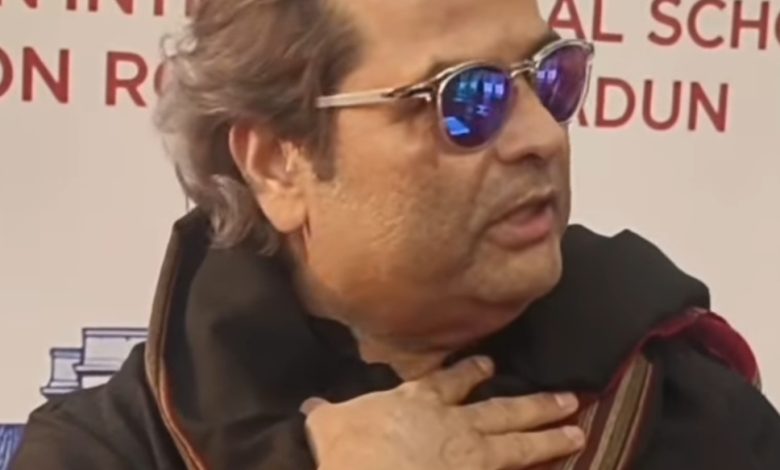
DEHRADUN: Renowned Bollywood filmmaker, writer and music composer Vishal Bhardwaj has made a strong appeal for establishing a dedicated film school in Uttarakhand, emphasising the urgent need to nurture local filmmaking talent and provide a professional platform to stories rooted in the state’s rich cultural heritage.
His remarks, now attracting considerable attention on social media, have reignited an important debate about the future of Garhwali cinema and the need for a structured film education system in the Himalayan state.
Making a passionate case for local storytelling, Bhardwaj underlined the importance of people telling their own stories rather than depending on outsiders to interpret their culture, traditions and lived experiences.
“If we don’t tell our own stories, who will?” is the powerful message emerging from his observations.
He suggested that establishing a film school need not begin with a massive infrastructure or a huge financial investment. Even a small beginning with just 25 students could lay the foundation for a meaningful initiative. With proper guidance, professional training and exposure to experienced filmmakers, these students could eventually emerge as directors, writers, cinematographers, editors, actors and independent film producers.
Bhardwaj’s suggestion assumes particular significance for Uttarakhand, a state blessed with extraordinary natural landscapes, folklore, music, traditional art forms, indigenous languages and countless untold human stories. From migration and changing village life to women’s struggles, environmental challenges, traditional customs and the rich cultural heritage of Garhwal and Kumaon, the region offers an enormous canvas for meaningful cinema.
However, the challenge has always been to transform these stories into professionally produced films capable of attracting audiences beyond the geographical boundaries of Uttarakhand.
A dedicated film school could address this gap by providing systematic training in screenwriting, direction, cinematography, acting, editing, sound engineering, production management and other technical aspects of filmmaking. It could also create opportunities for young people who otherwise have to travel to Mumbai, Pune or other metropolitan cities to pursue professional film education.
Interestingly, Bhardwaj has advocated similar initiatives in the past. During his meeting with then Uttarakhand Chief Minister Trivendra Singh Rawat in July 2020, he had suggested establishing an institute on the lines of the Film and Television Institute of India (FTII), Pune. He had also recommended introducing filmmaking courses in universities and organising film festivals to encourage young talent.
Uttarakhand’s Film Policy 2024 has subsequently recognised the importance of this idea. It specifically envisages establishing a Film and Content Training Institute, promoting cinematic studies through universities and encouraging courses covering direction, screenplay writing, acting, cinematography, editing, sound engineering and post-production. The policy also provides financial assistance of up to Rs 50 lakh for eligible new training institutes.
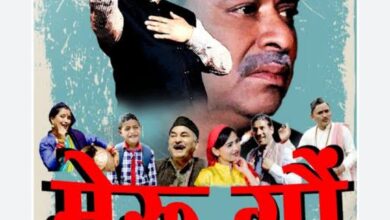
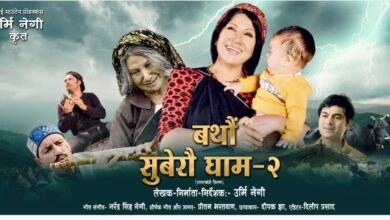
The regional film industry has already begun showing signs of growth. According to a November 2024 report in The Times of India, nine Garhwali and Kumaoni films were released during that year, while another 14 were in production. This represented a significant improvement over the preceding three years.
The state government’s regional film subsidy provisions, including assistance of up to 50 per cent of eligible expenditure, have also created opportunities for filmmakers.
Yet financial incentives and shooting locations alone cannot build a sustainable regional film industry. What Uttarakhand needs is a complete ecosystem comprising professional training, skilled technicians, quality production facilities, script development, distribution networks, cinema halls and access to OTT platforms.
Bhardwaj’s suggestion of starting with just 25 students offers a practical and potentially transformative model. A carefully designed pilot programme, supported by the state government, universities and experienced professionals from the film industry, could become the starting point of a much larger cinematic movement.
The larger question is whether Uttarakhand can develop its own distinctive cinematic identity, just as regional film industries in other parts of the country have successfully taken their languages, traditions and stories to national and international audiences.
For Garhwali cinema, this is perhaps the moment to move beyond occasional film productions and build a professionally equipped industry that can provide sustainable opportunities to local talent.
Vishal Bhardwaj’s message is therefore not merely about establishing another educational institution. It is about empowering a generation to narrate its own history, culture, struggles and aspirations through cinema.
The mountains have stories. The people have talent. What they need now is the right training, institutional support and a platform to tell their stories to the world.