
BEAR ATTACK IN UTTARKASHI’S JAKHOL VILLAGE LEAVES YOUNG MAN INJURED; RISING HUMAN-WILDLIFE CONFLICT IN UTTARAKHAND RAISES ALARM

Dehradun/Uttarkashi, November 18, 2026:
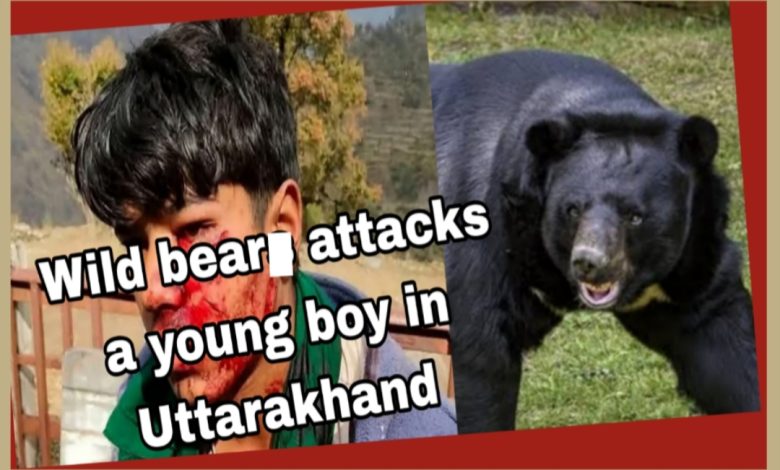
The growing threat of wild animal attacks in Uttarakhand’s hill districts has once again come into focus following a bear attack on a young resident of Jakhol village in Mori block of Uttarkashi district.
According to local reports, the young man was attacked by a bear while going towards the cattle sheds and orchards. He sustained serious injuries, particularly to his face, but narrowly escaped with his life. He was rushed to the Community Health Centre, Mori, for treatment.
In another disturbing incident in the Mori area, a woman identified as Makni Devi from Thandi village was also seriously injured in a bear attack and referred to Dehradun for further treatment.
THE DISTURBING STATISTICS
According to figures reported from the Uttarakhand Forest Department, between 2000 and September 2025, human-wildlife conflict claimed 1,256 lives and injured approximately 6,433 people. Bear attacks alone accounted for 69 deaths during this period.
In 2025, bear attacks reportedly killed eight people and injured 107. Between January and September 2026, wildlife attacks claimed another 55 lives and injured 407 people across Uttarakhand. These included 17 deaths due to leopards, 12 due to tigers, 10 due to snakes, nine due to elephants, four due to bears and three due to crocodiles.
The threat posed by man-eating and habitual attacking animals is equally serious. Between January 2025 and March 2026, authorities ordered the capture of 109 dangerous wild animals. Four man-eating leopards were eliminated. In July 2026, authorities also authorised action against 13 leopards and three bears identified as habitual threats to human life.
The repeated incidents raise serious questions about the effectiveness of existing wildlife-management and preventive measures.
The Uttarakhand Forest Department and district administration must urgently strengthen forest patrolling, deploy rapid-response teams, identify aggressive animals, install protective infrastructure and ensure timely medical assistance and compensation to victims.
People living in remote Himalayan villages should not have to live in constant fear while collecting fodder, tending cattle, working in fields or walking along village paths.
Wildlife conservation is essential, but protecting human lives must remain equally important.
The government, Forest Minister, district administration and Forest Department must act before another innocent villager loses his or her life.
PROTECT WILDLIFE, BUT PROTECT HUMAN LIVES TOO.