– DR ATUL MALIKRAM (Political Strategist)
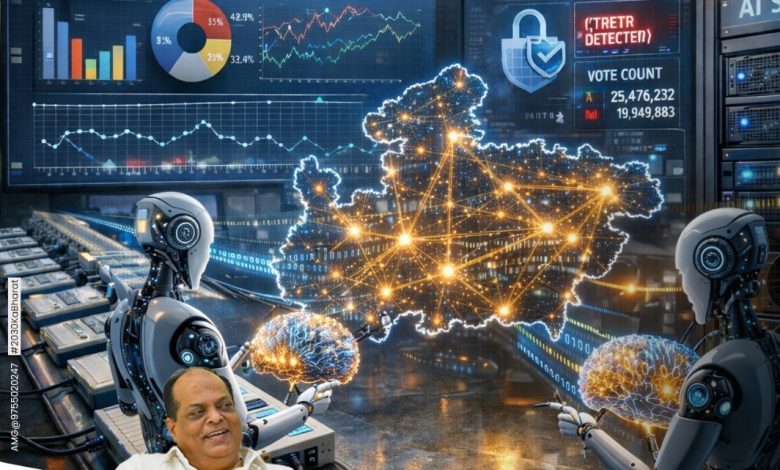
Diversity and depth are the true beauty of Indian democracy, and elections held from time to time further enhance this beauty. In a vast and socio-economically diverse state like Madhya Pradesh, elections are not merely a process of changing power; they are a reflection of public aspirations, expectations, and the future direction of society. In this context, the 2028 Madhya Pradesh Assembly election holds special significance, as it will take place in a mature era of Artificial Intelligence (AI) and advanced digital technologies. This election will not only test the strategic capabilities of political parties but will also help determine the direction in which technology is shaping democracy.
The electoral landscape of Madhya Pradesh clearly reflects its geographical, social, and cultural diversity. Tribal-dominated regions, rural agricultural belts, emerging urban centers, and industrial zones all have distinct issues and priorities. In such a scenario, a one-size-fits-all electoral strategy is no longer effective. AI-driven technologies have the potential to turn this challenge into an opportunity. Through data analytics, social media insights, and the analysis of digital behavior, it is now possible to connect with voters in a more precise, relevant, and interactive manner.
In the 2028 Assembly elections, AI-based hyper-personalized campaigning could play a decisive role. Focused communication on agriculture, irrigation, minimum support price, and rural infrastructure for farmers; employment, education, and skill development for youth; safety, health, and self-reliance for women; and forest rights, education, and local development for tribal communities can be delivered more effectively than ever before. This technology will be particularly influential among undecided voters or those whose preferences are likely to shift.
The expansion of digital and virtual platforms will also be a defining feature of this election. Virtual rallies, digital town halls, and even limited use of metaverse-like platforms may introduce new forms of political engagement. These tools can reduce campaign costs and security challenges while enabling direct interaction with voters in remote tribal and rural areas. They may also help increase participation among elderly and differently-abled voters.
However, alongside these opportunities come serious challenges. The threat of deepfakes, fake audio-video content, misinformation, and emotionally provocative material is likely to intensify in the 2028 elections. If not effectively controlled, such threats could severely damage voter trust, social harmony, and the fairness of the electoral process. Cybersecurity and data privacy will also remain major concerns, especially as election strategies become increasingly dependent on digital platforms.
Another critical issue is electoral inequality. Large, resource-rich political parties may be able to invest heavily in AI and advanced technologies, while smaller and regional parties could be left behind. This imbalance risks disturbing the level playing field essential for a healthy democracy. Therefore, it is imperative for the Election Commission and policymakers to develop mechanisms that ensure equal opportunities for all political players.
In this context, my clear view is that ethical AI must form the foundation of electoral strategies for the Madhya Pradesh Assembly elections in 2028. Clear labeling of AI-generated content, the use of deepfake detection tools, stringent legal provisions, and robust monitoring systems are the need of the hour. Equally important is enhancing digital literacy and awareness among voters so they can distinguish between authentic and misleading information.
Political parties, the Election Commission, media, technology experts, and civil society must collectively shoulder this responsibility. The purpose of technology should be to strengthen democracy, not to push it toward confusion and distrust. If transparency, accountability, and ethical conduct are given priority, AI can emerge as a powerful ally in strengthening electoral democracy in Madhya Pradesh.
(The views expressed in this article are entire personal views of the writer )