नकली चमक का काला खेल बेनकाब: फर्जी हॉलमार्क लगाकर असली सोना बदलने वाले गिरोह का चमोली पुलिस ने किया भंडाफोड़, दो शातिर आरोपी मशीन समेत गिरफ्तार।

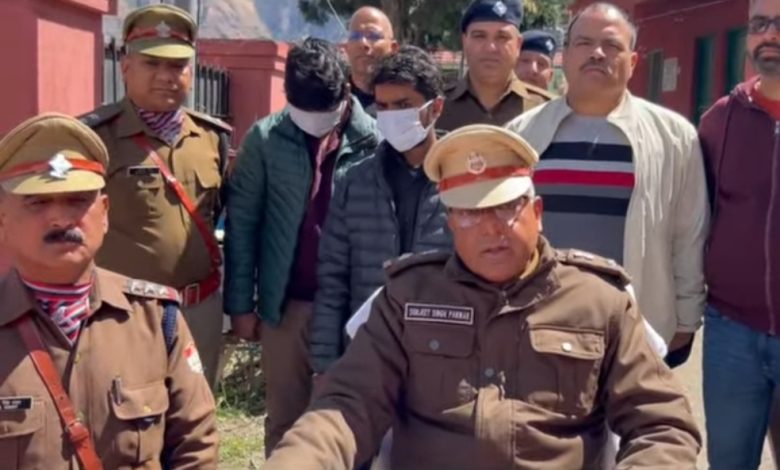

चमोली जनपद में नकली ज्वैलरी पर फर्जी हॉलमार्क लगाकर लोगों को ठगने वाले गिरोह का चमोली पुलिस ने पर्दाफाश करते हुए दो आरोपियों को गिरफ्तार किया है। पुलिस ने आरोपियों के कब्जे से हॉलमार्क लगाने की मशीन व अन्य उपकरण भी बरामद किए हैं।
दिनांक 19 मार्च 2026 को वादिनी श्रीमती लवली रावत पत्नी संदीप रावत निवासी ग्राम थैंग (हाल निवासी डाडो) ज्योतिर्मठ द्वारा कोतवाली ज्योर्तिमठ में लिखित तहरीर दी गई। तहरीर में बताया गया कि उन्होंने जुलाई 2025 में अपनी नथ व झुमके ₹40,000 में प्रतिमाह ₹2000 ब्याज पर अपर बाजार ज्योर्तिमठ स्थित आदय ज्वैलर्स के संचालक बंटी कुमार के पास गिरवी रखे थे।
नवंबर 2025 में ₹40,000 वापस करने के बाद दिसंबर माह में वादिनी द्वारा ज्वैलरी वापस ली गयी। जब वादिनी द्वारा नथ और झुमके पहने गए तो अन्य लोगों द्वारा उनके नकली होने की आशंका व्यक्त की गई। ज्वैलरी की चमक एवं गुणवत्ता पर शक होने पर वादिनी द्वारा उक्त ज्वैलरी को बाजार के अन्य ज्वैलर्स के यहां दिखाया गया। जहाँ उन्हें पता चला कि नथ और झुमके नकली हैं। जिन पर चालाकी से होलमार्क लगाया गया था।
प्रकरण की गंभीरता को देखते हुए कोतवाली ज्योतिर्मठ पर तत्काल मुकदमा अपराध संख्या-09/2026 धारा 316(2)/318(2) भारतीय न्याय संहिता के अंतर्गत अभियोग पंजीकृत किया गया। पुलिस अधीक्षक चमोली सुरजीत सिंह पँवार द्वारा मामले के शीघ्र एवं प्रभावी अनावरण हेतु विशेष पुलिस टीम गठित करने के निर्देश दिए गए। एसपी चमोली के आदेशों के क्रम में पुलिस उपाधीक्षक चमोली मदन सिंह बिष्ट व पुलिस उपाधीक्षक कर्णप्रयाग त्रिवेन्द्र सिंह राणा के पर्यवेक्षण में तत्काल पुलिस टीम गठित की गयी।
दिनांक 21 मार्च 2026 को विवेचक अपर उपनिरीक्षक भूपेन्द्र सिंह द्वारा वादिनी को कोतवाली ज्योतिर्मठ बुलाकर पूछताछ की गई आरोपी बंटी कुमार द्वारा उन्हें दी गयी पीली धातु की नकली 02 नथ व 02 झुमके कब्जे में लेकर सील किए गए। आरोपी बंटी कुमार को हिरासत में लेकर पुलिस द्वारा गहन पूछताछ की गई। जिसमें अभियुक्त ने स्वीकार किया कि उसने वादिनी के असली सोने के आभूषणों के बदले नकली आभूषण तैयार करवाए और उन पर फर्जी होलमार्क लगाकर वादिनी को वापस कर दिया।
पूछताछ में एक और बड़ा खुलासा हुआ। आरोपी ने बताया कि कर्णप्रयाग निवासी पंकज कुमार प्रभु कम कैरेट की ज्वेलरी पर फर्जी 20 कैरेट की मोहर लगाकर उसे असली हॉलमार्क ज्वेलरी की तरह तैयार करता था, जिसके लिए उसके पास बिना लाइसेंस की हॉलमार्क मशीन भी मौजूद है सूचना के आधार पर पुलिस टीम कर्णप्रयाग पहुंची और अभियुक्त बंटी कुमार की निशानदेही पर पंकज कुमार प्रभु को कर्णप्रयाग बाजार से गिरफ्तार कर लिया गया। मौके से हॉलमार्क लगाने में प्रयुक्त मशीन व अन्य उपकरण भी बरामद किए गए।
मामले में आपराधिक न्यास भंग व फर्जी हॉलमार्क लगाकर ठगी करने के अपराध में धारा-318(4)/338 BNS तथा धारा 29 भारतीय मानक ब्यूरो अधिनियम 2016 की बढ़ोतरी की गई है।
पुलिस अधीक्षक चमोली ने कहा कि उत्तराखण्ड में स्वर्ण व्यवसाय पारंपरिक रूप से अत्यंत महत्वपूर्ण एवं विश्वसनीय रहा है, किन्तु उक्त घटना ने इस क्षेत्र से जुड़े व्यवसायियों की छवि को प्रभावित करने का प्रयास किया है। साथ ही, हाल ही में लागू मानकीकरण आधारित हॉलमार्किंग प्रणाली की कूटरचना कर उसे दुरुपयोग करने का यह एक गंभीर प्रकरण है। हॉलमार्किंग की विश्वसनीयता पर संदेह उत्पन्न होने पर पुलिस द्वारा प्रकरण को अत्यंत गंभीरता से लेते हुए विस्तृत जांच प्रारंभ की गई। क्योकि हॉलमार्किंग की प्रक्रिया भारतीय मानक ब्यूरो (BIS) के माध्यम से ही विधिवत रूप से की जाती है, जिससे आभूषणों की शुद्धता सुनिश्चित होती है। पुलिस द्वारा जनपद में संचालित समस्त हॉलमार्किंग केन्द्रों का सत्यापन कराया जाएगा कि वे भारतीय मानक ब्यूरो (BIS) से विधिवत अधिकृत हैं अथवा नहीं। इसके अतिरिक्त, प्रकरण से संबंधित विस्तृत रिपोर्ट भारतीय मानक ब्यूरो (BIS) को प्रेषित की जाएगी, जिसमें फर्जी हॉलमार्किंग की पूरी प्रक्रिया का उल्लेख होगा। साथ ही अभियुक्तों द्वारा हॉलमार्किंग मशीन एवं अन्य उपकरणों की खरीद के स्रोतों का भी गहन सत्यापन किया जाएगा, ताकि इस अवैध नेटवर्क से जुड़े अन्य व्यक्तियों की पहचान कर उनके विरुद्ध विधिक कार्यवाही सुनिश्चित की जा सके।
यह गंभीर मामला जनपद के सीमांत क्षेत्र में प्रकाश में आया है, जिसकी गहनता से जांच की जा रही है तथा इसमें संलिप्त अन्य व्यक्तियों की भी तलाश जारी है। प्रकरण की गंभीरता एवं राष्ट्रीय महत्व को दृष्टिगत रखते हुए अपर पुलिस महानिदेशक (अपराध एवं कानून व्यवस्था) महोदय द्वारा पुलिस टीम के सराहनीय कार्य की प्रशंसा की गई है। साथ ही पुलिस महानिरीक्षक, गढ़वाल परिक्षेत्र द्वारा उत्कृष्ट कार्य हेतु पुलिस टीम को ₹5,000/- के पुरस्कार की घोषणा की गई है।
गिरफ्तार अभियुक्त नाम पता-
1.बंटी कुमार पुत्र मुरलीद स्वर्णकार निवासी मुंगेरीगंज थाना व जिला बेगूसराय (बिहार), उम्र 32 वर्ष।
2.पंकज कुमार प्रभु पुत्र विनोद प्रसाद निवासी गंगाचक मलकाना थाना मसूदी जिला पटना (बिहार), उम्र 37 वर्ष।
बरामदगी-
1-लेजर मल्टीपर्पस मशीन जिसकी कीमत लगभग 2,50000/-रू0।
2-CPU, मॉनिटर, VGA केबल, HDMI केबल, पावर केबल, बोर्ड व माउस
3-वादिनी से प्राप्त 01 नथ व 02 झुमके (पीली धातु)
पुलिस टीम-
1-प्रभारी निरीक्षक ज्योतिर्मठ देवेन्द्र रावत
2-वरिष्ठ उपनिरीक्षक कर्णप्रयाग संजय नेगी
3-उपनिरीक्षक सतेंद्र बुटोला (प्रभारी एस0ओ0जी0)
4-अपर उपनिरीक्षक भूपेंद्र सिंह
5-आरक्षी राजेश
6-आरक्षी चन्दन नागरकोटी (एसओजी)
7-आरक्षी आशुतोष तिवारी (एसओजी)