पूर्व डीआईजी सीबीआई आमोद कंठ, जो राजीव गांधी हत्याकांड की जांच के लिए गठित हाई प्रोफाइल जांच दल के मुख्य सदस्य थे, ने धारावाहिक को पूरी तरह से गलत तथ्यों के साथ प्रसारित करने और जांच अधिकारियों की प्रतिष्ठा को ठेस पहुंचाने के लिए “द हंट” के निर्माताओं को कानूनी नोटिस जारी किया है।

सोनी लिव पर प्रसारित वेब सीरीज़ “द हंट- द राजीव गांधी हत्याकांड” ने व्यापक दर्शकों को आकर्षित किया है। सीबीआई के डीआईजी (जांच) के रूप में श्री आमोद के. कंठ ने इस ऐतिहासिक मामले में महत्वपूर्ण भूमिका निभाई थी – जिसे देश के सबसे कठिन राजनीतिक हत्याकांडों में से एक माना जाता है।
इसका नेतृत्व एसआईटी (विशेष जांच दल) के डॉ. कार्तिकेयन ने किया था, जो उस समय सीआरपीएफ के एक अधिकारी थे और सीबीआई में शामिल किए गए थे।

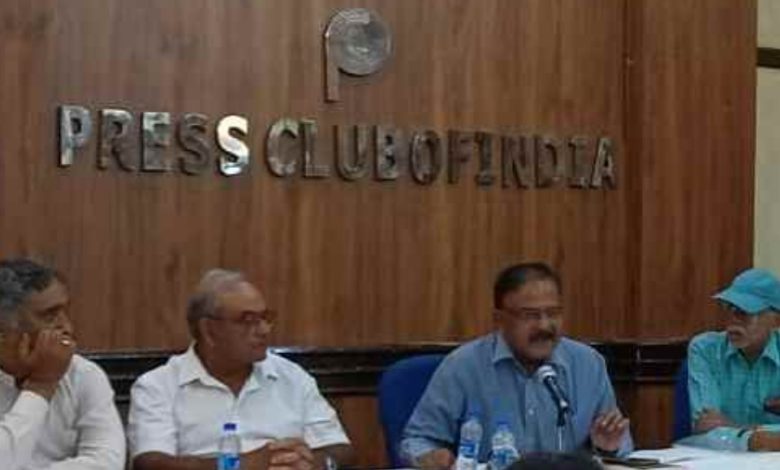
राजीव गांधी हत्याकांड मामले में सीबीआई जांच के तत्कालीन डीआईजी श्री आमोद कंठ ने नई दिल्ली के प्रेस क्लब परिसर में आयोजित एक प्रेस कॉन्फ्रेंस में टीवी धारावाहिक “द हंट” में संबंधित अधिकारियों और सर्वोच्च जांच निकाय के रूप में सीबीआई के कुछ गंभीर अशुद्धियों, विकृतियों और अपमानजनक चित्रण को उजागर किया, जिससे प्रमुख नैतिक और कानूनी चिंताएं पैदा हुईं।
श्री कंठ के अनुसार, यह श्रृंखला लिट्टे के लोगों के प्रति सहानुभूति दिखाने और देश में कानून प्रवर्तन प्रणाली की विफलता को दर्शाने का एक घटिया प्रयास है।
धारावाहिक में मौजूद अशुद्धियों का खुलासा करते हुए, श्री कंठ ने कहा कि 4 जुलाई 2025 को जब यह वेब श्रृंखला प्रसारित हुई और उसके बाद उनके दोस्तों, रिश्तेदारों और सहकर्मियों ने इसके 7 एपिसोड देखे, तो कथित तौर पर ये एपिसोड सत्य तथ्यों और वास्तविक जीवन की घटनाओं पर आधारित थे, जिनमें उनके नाम, व्यक्तित्व, चरित्र और आधिकारिक भूमिका के साथ-साथ उनके व्यक्तिगत संदर्भ भी थे। पहली नज़र में, उन्हें (और उनसे जुड़े अन्य लोगों को) यह वेब-सीरीज़ अशुद्धियों और विकृतियों से भरी हुई लगती है, कुछ चित्रण बेहद आपत्तिजनक हैं जो उनके नैतिक
और बौद्धिक चरित्र को सीधे तौर पर कम करते हैं – इस प्रकार यह एक व्यक्ति, पुलिस अधिकारी और सामाजिक कार्यकर्ता के रूप में उनकी साख को कम करता है और उनके लिए अनुचित है।
पूर्व प्रधानमंत्री राजीव गांधी की हत्या की जाँच से जुड़े सीबीआई के पूर्व डीआईजी ने कहा कि यह सीरीज़ कई नैतिक और कानूनी चिंताओं को उठाती है और इसमें शामिल हर अधिकारी, खासकर सीबीआई को बदनाम करती है।
सीबीआई के पूर्व डीआईजी श्री कंठ ने वेब-सीरीज़ देखने के बाद कहा कि कई लोगों ने उनसे संपर्क किया है और उनका मानना है कि वेब-सीरीज़ में दिखाए गए दृश्य, जैसे कि घटनाओं का क्रम, थर्ड-डिग्री टॉर्चर, अथिराई की अनैतिक और अपमानजनक गिरफ्तारी, श्री कंठ द्वारा अभद्र भाषा का प्रयोग, श्री कंठ का धूम्रपान करना आदि, उनकी प्रतिष्ठा को प्रभावित करते हैं, उनके चरित्र, प्रतिष्ठा, छवि और साख को धूमिल करते हैं – और उन्हें बदनाम करते हैं।
कुल मिलाकर, इस सीरीज़ ने जाँच के दौरान आरोपियों को धमकियाँ दिखाकर मामले से जुड़े सभी सीबीआई अधिकारियों को कलंकित किया है, जैसा कि राजीव गांधी हत्याकांड की जाँच कर रहे सीबीआई के पूर्व डीआईजी ने अपनी टीम के एक महत्वपूर्ण सदस्य के रूप में खुलासा किया।
द हंट की कहानी कहने और इस संवेदनशील टेलीविजन धारावाहिक के निर्माण से पहले उनसे परामर्श न करने पर कड़ी आपत्ति जताते हुए, श्री आमोद कंठ ने कहा कि हालाँकि यह श्रृंखला सत्य तथ्यों पर आधारित होने का दावा करती है और इसमें यह अस्वीकरण भी शामिल है कि “श्रृंखला के कुछ पात्र, संस्थाएँ और घटनाएँ काल्पनिक हैं और इनका उपयोग सिनेमाई उद्देश्यों और श्रृंखला में चित्रित प्रदर्शनों को नाटकीय बनाने के लिए किया गया है”, लेकिन साथ ही इसमें श्री आमोद के. कंठ और उनकी पत्नी के वास्तविक नामों, पदनामों और यहाँ तक कि व्यक्तिगत विवरणों का भी उपयोग किया गया है, बिना उनकी सहमति या परामर्श के। वरिष्ठ पूर्व आईपीएस अधिकारी ने ज़ोर देकर कहा कि जब वास्तविक व्यक्तियों, विशेष रूप से ऐसे राष्ट्रीय महत्व के मामले में महत्वपूर्ण ज़िम्मेदारियों वाले व्यक्तियों को पर्दे पर चित्रित किया जाता है, तो उनकी भूमिकाओं को सच्चाई से और उनसे पर्याप्त परामर्श और उनकी सहमति आदि लेने के बाद प्रस्तुत करना अनिवार्य हो जाता है।
प्रेस क्लब ऑफ इंडिया में आयोजित प्रेस कॉन्फ्रेंस में पूर्व डीआईजी सीबीआई आमोद कंठ ने कहा कि वेब सीरीज में इस्तेमाल किए गए नाटकीय दृश्य समर्पित अधिकारियों की विरासत को कमजोर करते हैं, जिनमें से कुछ अब खुद का बचाव करने के लिए जीवित नहीं हैं और राष्ट्रीय संकट के दौरान कानून को बनाए रखने वाले संस्थानों में विश्वास को खत्म करते हैं।
श्री कंठ ने कंटेंट क्रिएटर्स से ज़्यादा जवाबदेही अपनाने और यह सुनिश्चित करने का पुरज़ोर आग्रह किया कि कहानी, खासकर जब वह वास्तविक घटनाओं पर आधारित हो, सच्ची, सम्मानजनक और ज़िम्मेदारी भरी रहे।
श्री कंठ के अनुसार, यह विशेष मामला भारत के इतिहास की सबसे हाई-प्रोफाइल, जटिल और ऐतिहासिक जाँचों में से एक है। “द हंट जैसी सीरीज़, जिनका व्यापक प्रचार किया जाता है और जिन्हें दुनिया भर के दर्शक देखते हैं, में वास्तविक लोगों और ऐतिहासिक घटनाओं को सावधानी और सटीकता के साथ चित्रित करने की ज़िम्मेदारी बढ़ जाती है।
दुर्भाग्य से, यह शो इस मोर्चे पर लड़खड़ाता है,” श्री कंठ ज़ोर देकर कहते हैं।
पूर्व आईपीएस और कई प्रतिष्ठित राष्ट्रपति पदकों व पुरस्कारों से सम्मानित अधिकारी श्री आमोद कंठ ने बीएनएस की धारा 356 के तहत आपराधिक मानहानि का हवाला देते हुए कानूनी नोटिस जारी किए हैं। उनकी कानूनी टीम अन्य याचिकाओं की तरह, ओटीटी प्लेटफॉर्म पर इस सीरीज़ द हंट की स्ट्रीमिंग को तब तक रोकने की मांग करने वाली अन्य याचिकाओं के अनुरूप दिल्ली उच्च न्यायालय का दरवाजा खटखटाने पर गंभीरता से विचार कर रही है जब तक कि आवश्यक तथ्यात्मक सुधारों के साथ धारावाहिक में तथ्यों को फिर से प्रस्तुत नहीं किया जाता।
श्री आमोद के. कंठ 1974 बैच के सेवानिवृत्त भारतीय पुलिस सेवा (आईपीएस) अधिकारी हैं, जिन्हें दिल्ली और भारत के अन्य हिस्सों में अपने शानदार और घटनापूर्ण करियर के लिए जाना जाता है।
उन्होंने 1985 से 1990 तक डीसीपी दिल्ली (अपराध एवं रेलवे) के रूप में कार्य किया और 06.11.1990 को डीआईजी के पद पर पदोन्नत हुए।
आतंकवाद और संवेदनशील मामलों को संभालने के अपने व्यापक अनुभव के कारण, उन्होंने प्रधानमंत्री चंद्रशेखर के कार्यकाल के दौरान, जब जनवरी 1991 में तमिलनाडु में राष्ट्रपति शासन लागू किया गया था, गृह राज्य मंत्री श्री सुबोधकांत के विशेष कार्य अधिकारी (ओएसडी) के रूप में कार्य किया।
वे 01.05.1991 को सीबीआई में डीआईजी के रूप में शामिल हुए और उन्हें राजीव गांधी हत्याकांड (22 मई 1991) के अगले दिन, 21-22 मई 1991 की रात को मद्रास (अब चेन्नई) में हुई राजीव गांधी हत्याकांड का मामला सौंपा गया। श्री कंठ 31.05.1995 तक सीबीआई में रहे और कई हाई-प्रोफाइल और संवेदनशील मामलों को संभाला।
अपने समय के कुछ सबसे जटिल अपराधों की जाँच के लिए राष्ट्रीय और अंतरराष्ट्रीय स्तर पर ख्याति प्राप्त, श्री कंठ ने ललित माकन, अर्जुन दास और राजीव गांधी हत्याकांड, ट्रांजिस्टर बम विस्फोट, हवाला घोटाला, हर्षद मेहता और बैंक घोटाले जैसे प्रमुख मामलों पर काम किया, और
चार्ल्स शोभराज के भागने, जेसिका लाल हत्याकांड, बीएमडब्ल्यू (संजीव नंदा) हिट-एंड-रन, और रोमेश शर्मा, एक राजनीतिक बाजीगर और एक शरारती हाई-प्रोफाइल राजनेता, एक हत्यारे जो अब जेल में आजीवन कारावास की सजा काट रहा है, जैसे हाई-प्रोफाइल आपराधिक मामलों पर भी काम किया।
वीरता, सराहनीय सेवा और विशिष्ट सेवा के लिए राष्ट्रपति पुलिस पदक प्राप्त करने वाले विरले व्यक्ति, श्री कंठ को उनकी बहादुरी, खोजी कौशल और जटिल कानून-व्यवस्था स्थितियों में नेतृत्व के लिए व्यापक रूप से सम्मानित किया जाता है।
एक प्रतिष्ठित आईपीएस करियर के अलावा, श्री कंठ एक प्रतिबद्ध सामाजिक विकास नेता और 1988 में स्थापित प्रयास किशोर सहायता केंद्र (जेएसी) सोसाइटी के संस्थापक और संरक्षक भी हैं।
उनके नेतृत्व में, प्रयास के आज 13 राज्यों/केंद्र शासित प्रदेशों में 789 पेशेवर कार्यरत हैं, जो किशोर न्याय, बाल संरक्षण, शिक्षा, कौशल विकास, स्वास्थ्य और संबंधित क्षेत्रों पर केंद्रित 300 से अधिक केंद्रों के माध्यम से 45,000 से अधिक लाभार्थियों को तत्काल ज़रूरतों में सहायता प्रदान करते हैं।
पूर्व प्रधानमंत्री राजीव गांधी हत्याकांड की जाँच कर रहे पूर्व सीबीआई डीआईजी श्री आमोद कांत ने अपनी प्रेस कॉन्फ्रेंस में टीवी धारावाहिक द हंट की श्रृंखला को पक्षपातपूर्ण, तथ्यों से परे और जाँच दल के अधिकारियों से परामर्श किए बिना मुख्यतः झूठ पर आधारित बताया:
1991 में पूर्व भारतीय प्रधानमंत्री राजीव गांधी की हत्या पर आधारित, द हंट – द राजीव गांधी असैसिनेशन केस (वेब-सीरीज़) एक राजनीतिक अपराध ड्रामा है जो मामले की गहन जाँच को फिर से गढ़ती है। श्रीपेरंबदूर में हुए आत्मघाती बम विस्फोट (अपनी तरह का पहला) के तनावपूर्ण बाद की पृष्ठभूमि पर आधारित, यह श्रृंखला सीबीआई की एक विशेष जाँच पर आधारित है, जिसमें वे इस भयावह साजिश के पीछे के नेटवर्क का पता लगाने के लिए समय के साथ दौड़ लगाते हैं।
यह शो वास्तविक घटनाओं को काल्पनिक तत्वों के साथ मिश्रित करता है क्योंकि यह अपराधियों की विस्तृत खोज, महत्वपूर्ण फोरेंसिक जाँच-पड़ताल के साथ-साथ भारत की सबसे दुखद घटनाओं में से एक के व्यापक राजनीतिक और सामाजिक प्रभावों को दर्शाता है।
वास्तविक नामों और तस्वीरों का इस्तेमाल, विकृत तथ्यों के साथ, न केवल भ्रामक है, बल्कि उन व्यक्तियों की प्रतिष्ठा को भी धूमिल करने का जोखिम उठाता है जिन्होंने ईमानदारी से देश की सेवा की है।
यह चिंता वेब सीरीज़ के एपिसोड 2, 3 और 4 में विशेष रूप से स्पष्ट है, जो जाँच के दौरान थर्ड डिग्री टॉर्चर (आरोपी नलिनी को बलात्कार की धमकियों सहित) के इस्तेमाल को गलत तरीके से दर्शाते हैं। वास्तव में, श्री कंठ की उपस्थिति में या सीबीआई के अधीन ऐसी कोई हिरासत में हिंसा कभी नहीं हुई।
श्री कंठ इस बात पर ज़ोर देते हैं कि सीबीआई अधिकारी बहुत पेशेवर हैं और सख्त प्रोटोकॉल का पालन करते हैं।
डीआईजी के रूप में
हिरासत में पूछताछ और टाडा के इकबालिया बयानों की रिकॉर्डिंग सहित जाँच का आधिकारिक रूप से नेतृत्व करते हुए, उन्होंने और उनके विद्वान जाँचकर्ताओं की पूरी टीम ने वैध प्रक्रियाओं को बरकरार रखा और अपने पूरे प्रतिष्ठित करियर में, कभी भी हिरासत में यातना की अनुमति या समर्थन नहीं दिया।
यह काल्पनिक नाटकीय चित्रण न केवल एक वरिष्ठ पुलिस अधिकारी के रूप में, बल्कि एक सामाजिक कार्यकर्ता के रूप में भी उनकी प्रतिष्ठा को गंभीर रूप से नुकसान पहुँचाता है।
श्री कंठ ने श्रृंखला में घटनाओं के बेहद गलत और अपमानजनक चित्रण पर गंभीर चिंता व्यक्त की है, विशेष रूप से एपिसोड 3 में, जिसमें एक युवा लिट्टे सदस्य, अथिराई की गिरफ्तारी दिखाई गई है,
जिसे श्री राजीव गांधी को निशाना बनाने वाले एक बैकअप आत्मघाती हमलावर के रूप में दर्शाया गया है। इस एपिसोड में श्री कंठ को दिल्ली के एक होटल के कमरे में डुप्लीकेट चाबी का इस्तेमाल करके घुसते और अनुचित और अनैतिक तरीके से महिला आत्मघाती हमलावर के शरीर पर चढ़कर उसे बिना किसी महिला पुलिस अधिकारी के गिरफ्तार करते हुए गलत तरीके से दिखाया गया है, जिसका श्री कंठ दृढ़ता से खंडन करते हैं। यह काल्पनिक और सनसनीखेज संस्करण तथ्यात्मक रूप से गलत है और श्री कंठ की प्रतिष्ठा को गहरा नुकसान पहुँचाता है।
यह अनुशासन, ईमानदारी, कानून प्रवर्तन और जन सेवा के प्रति उनकी आजीवन
प्रतिबद्धता को कमजोर करता है।
श्री कंठ ने वेब-सीरीज़ के निर्माताओं को विकृत तथ्यों, घटनाओं और
जांच प्रक्रिया के चित्रण के खिलाफ भारतीय न्याय संहिता, 2023 की धारा 356(1) के तहत दिनांक 21.07.2024 को एक कानूनी नोटिस और उसके बाद दिनांक 24.07.2025 को एक संशोधित कानूनी नोटिस जारी किया है।
उनका दावा है कि यह वेब-सीरीज़ अपमानजनक और निंदनीय है और इसने एक पुलिस अधिकारी और एक सामाजिक कार्यकर्ता के रूप में उनके लंबे करियर को कलंकित किया है। इस वेब-सीरीज़ ने न केवल उन्हें, बल्कि राजीव गांधी हत्याकांड से जुड़ी उनकी पूरी सीबीआई टीम को बदनाम किया है और भारत की सबसे महत्वपूर्ण सीबीआई जाँचों में से एक को कमज़ोर किया है।