PM wishes long life for Kejriwal. Raghav Chadha, MP terms Kejriwal as his Guru and Manish Sisodia gives Delhi Education model Kejrival’s name being number one in the country on his 54 th b’day !

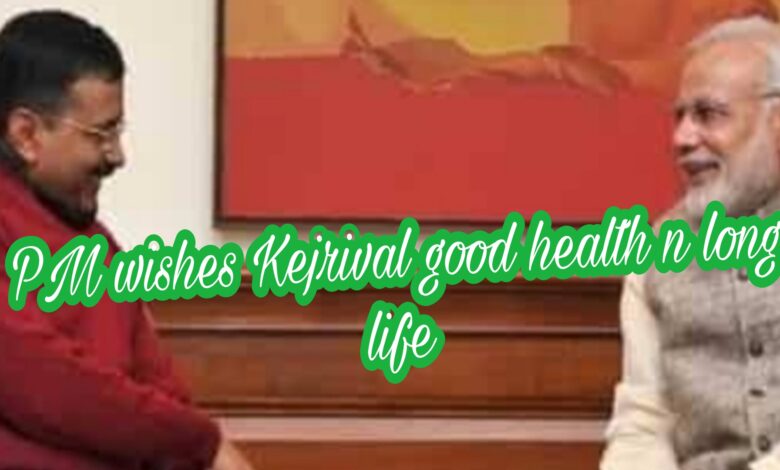
The firebrand Delhi chief minister Arvind Kejriwal has turned 54. Today is his birthday. There have been good number of congratulated massages for him from cross section of the people. Usually at loggerheads with the prime minister Narendra Modi, the Delhi Lieutenant governors of Delhi earlier Anil Baijal and now with present LG V. K. Saxena including the saffron party leaders, Delhi CM Arjun Kejriwal has been congratulated by prime minister on his 54 th birthday. In a tweet prime minister Narendra Modi while congratulating him tweeted : Birthday greetings to Delhi Chief Minister Shri @ArvindKejrival Ji. I pray for his long life and good health, tweeted PM.

The deputy chief minister of Delhi Manish Sisodia also congratulated CM Arvind Kejriwal by terming the Delhi education model as Arvind Kejriwal model rating it as number one in the country. He tweeted : Must read…. Interesting testimonies of Delhi government who shifted from private schools. This is @ArvindKejrival model of education which is needed to make India, the number – one country. Happy birthday Arvind Kejriwal Sir tweeted deputy CM. The Punjab chief minister while posting his pic with Kejriwal in a jubilant mood likely to embrace each other tweeted : The man who transformed politics in India and empowered commen man to lead the change – I wish him a happy birthday. May God bless him with a long life to serve the country@Arvind Kejriwal, tweeted Punjab CM Bhagwant Maan.

The Union Minister Hardeep Puri too congratulated Kejriwal saying Birthday greetings to Delhi CM Arvind Kejrivalji. May God grant him good health and long life ahead. Many happy returns of the day tweeted Hardeep Singh Puri.


The Rajya Sabha MP from Punjab earlier MLA from Rajendra Nagar who was the incharge of Punjab elections, finally bringing historic victory for AAP in Punjab, Raghav Chadha called Delhi CM n national AAP convenor as his Guru while congratulating him tweeted in Hindi posting the photo of his with Kejriwal in a victory jaloos : Tons of congratulations to my Guru ( political mentor or God father) popular Delhi CM Arvind Kejriwal on his birthday, who’d changed the future of lakhs of children of Delhi and changed the definition of politics. I pray to Almighty to render you sound health, long age and lots of happiness tweeted Raghav Chadha. Kindly recall that Delhi CM Arvind Kejriwal was born in Bhivani, Haryana on 16 th August 1968 and is the seventh chief minister of Delhi having repeated his second ongoing term.