Kanwar Yatra is a symbol of tolerance and devotion not holliganish a d destruction public and private property


 DEHRADUN The annual Kanwar Yatra, a journey of faith, devotion, restraint and service dedicated to Lord Shiva, is once again at the center of a debate — is it a symbol of religious spirit or is it slipping into hooliganism? The question is being asked by every responsible citizen after fresh reports of violence and property damage along the yatra routes in Uttarakhand and adjoining states.
For millions of Kanwadyatris, the pilgrimage from Haridwar, Gaumukh and other Ganga sources to their home towns carrying holy Ganga water for Shivlings is the ultimate expression of devotion. Weeks of fasting, barefoot travel, discipline, seva camps and community kitchens define the true ethos of the yatra.
But this year too, incidents have emerged where a section of yatris were seen indulging in vandalism, road rage and intimidation.
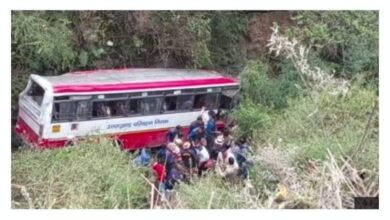
In Uttarakhand alone, a few state transport buses were allegedly attacked on the yatra route with lathis and hammers. Window panes were smashed, doors were broken, and drivers and passengers were reportedly abused with language that has no place in a religious procession.
Eyewitnesses and officials said the buses were targeted allegedly after minor traffic disputes or for not giving way.
Instead of tolerance and patience that a Shiv Bhakt is expected to practice, the response was aggression.
Videos circulating on social media showed groups damaging public property, raising slogans, and blocking roads, giving the impression of looters rather than devotees.
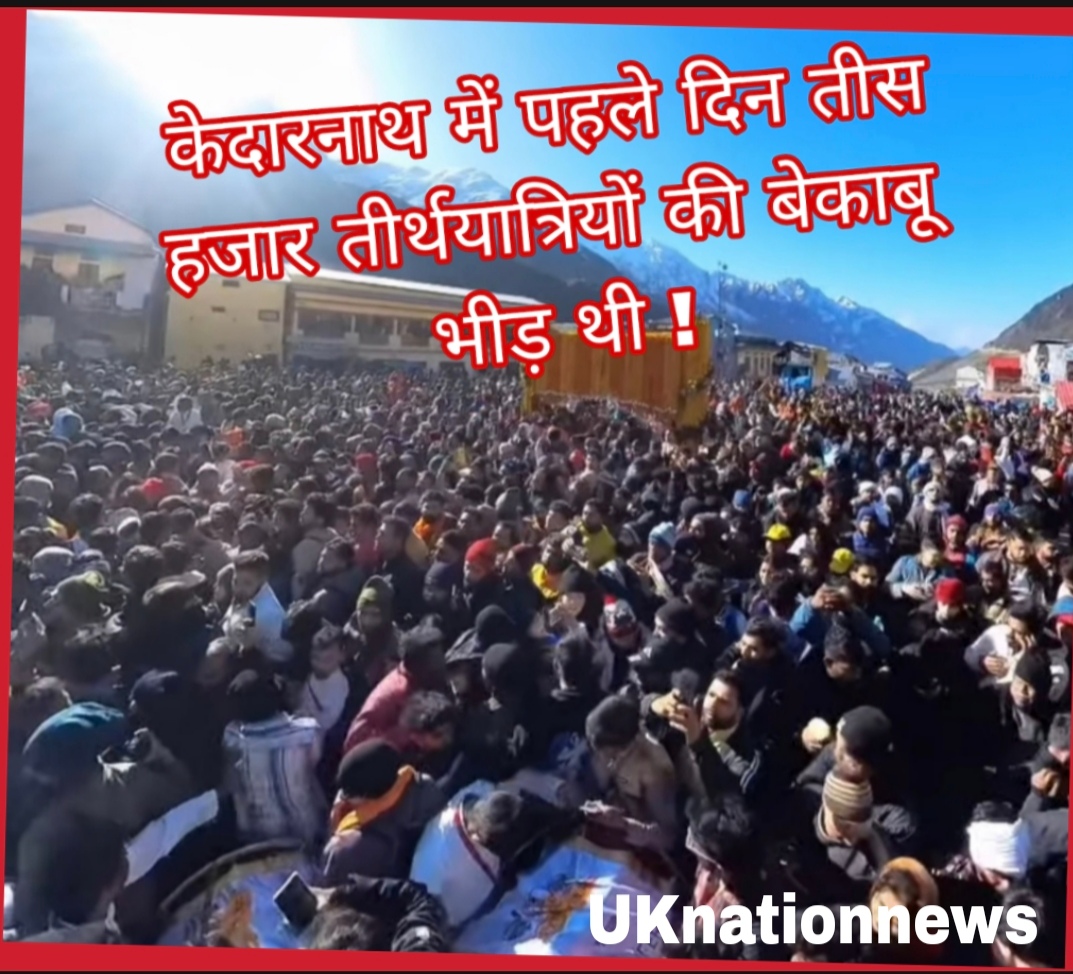
Experts, civil society members and senior police officers cite multiple reasons for this recurring pattern the forest and foremost being , the sheer scale. Over 3 to 4 crore Kanwadyatris are estimated to travel during the 15-day period. Managing such a massive, decentralized crowd with limited resources becomes extremely difficult for the administration. Second, the mix of devotion and ego. Many young participants, especially first-timers, come in groups with DJ systems, saffron flags and an atmosphere of bravado. What begins as religious fervor often turns into a show of strength and identity, where any perceived disrespect and futile ego triggers violence.
Third, lack of accountability. Because the yatra is spread across hundreds of kilometers and multiple districts, identifying and prosecuting offenders becomes tough. The “group anonymity” factor emboldens some to break laws.
Fourth, traffic and administrative pressure. Long road closures, diversions, and delays create frustration on both sides — among yatris and among common commuters. This friction often explodes into clashes. Fifth, inadequate policing and deterrence. While security arrangements are massive, police are often instructed to avoid confrontation to prevent escalation. This leads to a perception among some miscreants that there will be no strict action.
Sixth, commercialization and politics. The presence of sponsorships, competition between seva camps, and political patronage to certain groups adds to the noise, DJ culture and aggressive posturing.
The Uttarakhand government and police deploy thousands of personnel, CCTV cameras, drone surveillance and medical camps every year. The aim is to ensure safety of yatris and convenience of local people. Yet, every year the administration faces criticism — either for being too strict and hurting religious sentiment, or for being too lenient and allowing anarchy.
Common citizens say they have no objection to the yatra. The issue is with those who use the cover of religion to damage private and government property, harass commuters and break the law of the land. “A true devotee of Lord Shiva should be the most tolerant and patient. Breaking buses and abusing people is not bhakti, it is gundagardi,” said a Haridwar resident whose shop was shut due to route closure.
The demand now is growing that the state must draw a clear line. Those who follow rules and travel with faith must be given full facilities, drinking water, toilets, medical aid and security. But those who indulge in hooliganism, vandalism, violence and abuse must face immediate FIRs, arrest and recovery of damages, irrespective of their group or background. Legal experts argue that the Motor Vehicles Act, Damage to Public Property Act and IPC sections must be enforced without exception during the yatra period.
Religious leaders and social organizations are also speaking out. They say the Kanwar Yatra stands for “shraddha, not ahankar; anushasan, not arajakta; seva, not pareshaani.” If this message is lost, the sanctity of the pilgrimage itself is at stake.
CONCLUSIVELY the Kanwar Yatra remains one of India’s largest religious gatherings and a matter of pride for Uttarakhand. But until strict, uniform enforcement against lawbreakers is combined with better crowd management, traffic planning and public awareness, such incidents of hooliganism are likely to repeat. The challenge before the government is to protect both faith and law.